Ultimate Hydration Guide for Runners
RWA | Updated: 20 January 2026
_311763.jpg&nw=580)
How Hydration Affects Running
Water accounts for approximately 60% of the human body, playing vital roles in our overall survival and wellness. Maintaining adequate hydration during physical activity is one of the most impactful nutritional methods to optimise performance, injury prevention and recovery. It helps with temperature regulation, muscle contraction, removal of waste products, such as lactic acid from the blood, as well as cushioning of joints.
Since water is so important to our bodies, hydration becomes even more crucial when running. As our bodies lose moisture through sweat, breathing, and energy production, we need to be careful to consume enough water to avoid dehydration, as well as ensuring the replenishment of lost electrolytes. Dehydration adversely affects performance, stamina, and overall health. When you are not drinking enough fluids, you are more fatigued and your body temperature goes up which can result in declined performance and impaired motor skills. Dehydration also causes your heart to work harder to pump blood, resulting in elevated heart rate and rapid breathing. Lack of adequate hydration can increase the risk of injury due to muscle cramping and hinder recovery by slowing down the process of growing and rebuilding muscle tissues.
Conversely, maintaining proper hydration boosts your running performance, especially during high-intensity training. Drinking enough fluids prevents excessive elevation in heart rate and core body temperature, so you're not overexerting yourself. In addition, water helps regulate your blood pressure, aids in post-run muscle recovery, and plays a role in injury and illness prevention by supporting your immune system, cartilage, and joints.
Basic Guidelines for Water Consumption
Everyone is different, and depending on the conditions and type of activity, our water consumption requirements will vary. As a daily baseline you should aim for a minimum of 1.5L of water, with hydration during training and racing, counted as additional intake.
Recent research suggests that drinking based on thirst is likely the best way to stay hydrated. However, the traditional recommendations for hydration during exercise are as follows:
Hydration Guidelines |
||
|---|---|---|
Pre |
During |
Post |
| Drink 500-600ml of water 2-3 hours before a run or race. | Determine "sweat rate" and use it as a guideline. | Drink 400-700ml for every pound lost during exercise. |
| Drink 200ml of water 20-30 minutes before a run or race. | Drink 150-200ml every 15 minutes rather than large amounts at one time. | |
| Drink when you are thirsty. | ||
The best advice is to listen to your body and to avoid ‘skulling’ water, instead aiming for a steady consumption throughout the day. One of the critical mistakes runners can make when it comes to hydration is going to extremes, either not having adequate hydration beforehand and starting in a deficit state or overdoing it by being hyper-hydrated. Too little hydration leads to bonking and dehydration. Too much water consumption flushes out needed electrolyte minerals and causes excess water to enter the brain, leading to life-threatening water toxicity. The best advice is to listen to your body and to avoid ‘skulling’ water, instead aiming for a steady consumption throughout the day.
The Importance of Electrolytes

What are electrolytes?
Electrolytes are electrically charged minerals (sodium, calcium, magnesium and potassium) that help the body regulate fluid levels, contract muscles, build new tissue and transmit nerve signals. Electrolytes also help the body maintain a healthy pH balance and support the kidneys in their crucial role of filtering fluid and toxins. All of these functions are crucial for athletic performance. Electrolytes are water soluble meaning you lose them during water loss (sweating, breathing, waste), making it important to replace them.
When you should add electrolytes to your run:
Since sweat rate varies based on such factors as the intensity and duration of your workout, the outdoor temperature, and genetics, you should add electrolytes to your run if you sweat a lot, feel fatigued, and experience muscle cramps. Additionally, when your run is longer than an hour or when you are running in warm weather.
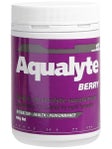
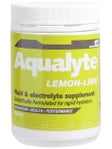
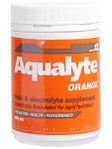
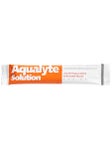
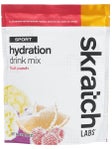
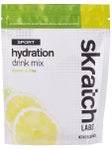
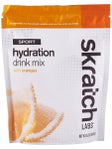
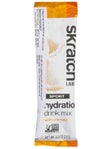
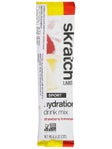
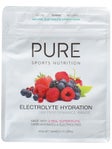
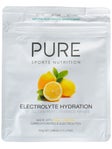
When you don’t replace electrolytes after large water loss, you risk developing a condition called Hyponatremia, which occurs when electrolytes in the body become too diluted. This potentially life-threatening condition causes the body's cells to swell with water in an attempt to maintain an isotonic (same) gradient with the environment outside of the cell. If you are sweating and drinking a lot of water without replacing electrolytes, you can become at risk of hyponatremia. Electrolyte supplements and drinks are a great way to replace electrolytes.
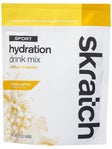
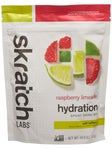
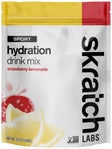
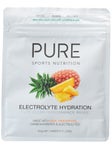
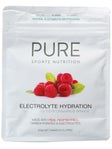
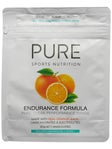
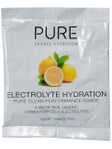
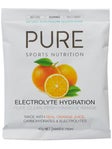
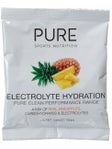
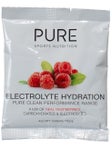
Shop Electrolyte Supplements

Signs of Dehydration
Dehydration occurs when the body doesn’t have enough fluid, usually occurring after long periods of heat exposure, exercise, or excessive water loss (i.e., diarrhea, fever, ect.). Common symptoms of dehydration include headaches, thirstiness, dry mouth, very yellow urine, dizziness, and low energy. Dehydration can also impair cognitive function, increase the risk of heat related illnesses, and reduce blood pressure, causing the heart to work harder. It is important to note that if you experience signs of dehydration, to cease activity and begin to properly replace lost fluids.
Hydration Mistakes to Avoid
Sufficient hydration throughout the day helps keep your brain, body, heart, and muscles functioning efficiently. Your hydration needs will vary depending on the duration of your run and how much you sweat. Under and over-consumption of water will adversely affect your performance, energy levels, and overall health. Adding other fluid options, such as electrolytes and energy drinks, can be beneficial, especially on extended runs and in warm weather. Above all, listen to your body and maintain fluid balance for optimal health.
Some helpful hints:
|
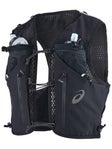
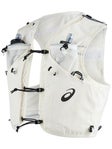
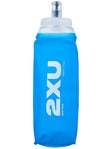
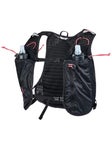
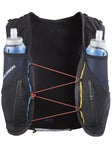
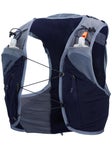
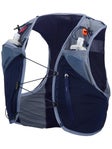
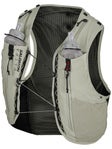
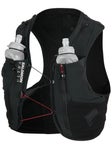
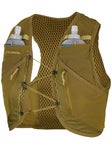
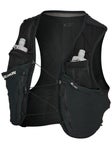
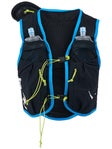
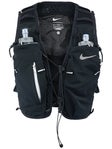
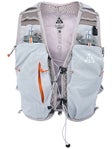
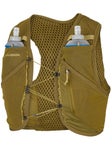
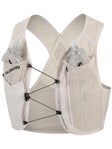
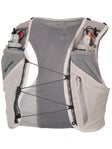
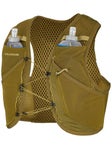
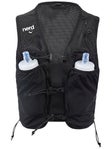
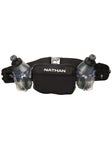
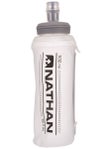
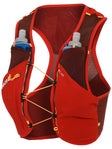
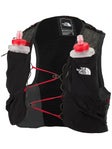
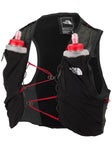
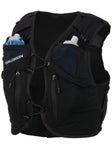
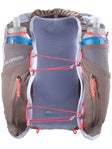
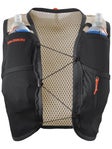
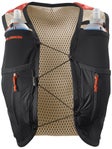
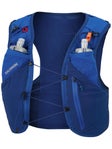
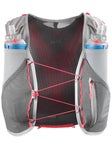
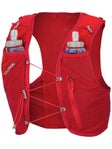
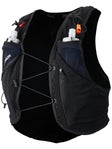
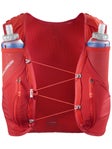
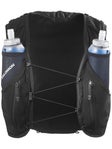
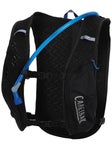
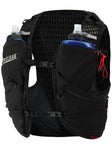
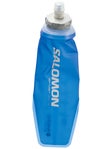
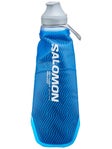
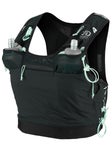
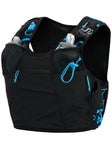
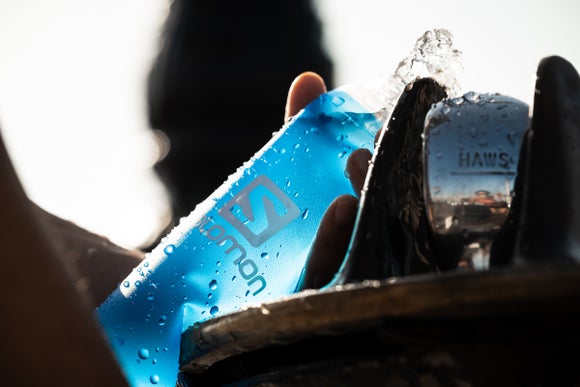
• Try to avoid caffeinated drinks and alcohol before a run. • Plan your run with access to a water fountain and other water sources. • On longer runs, use a handheld water bottle or hydration pack. • Use training runs as an opportunity to learn about your body's individual hydration needs. • When in doubt, use your thirst as your gauge. • Start consuming electrolytes a couple of days before long and/or hot races. |