Road to 5K: A guide for beginners
RWA | Updated: 6 February 2026
_308456.jpg&nw=580)
Signing up for your first 5K is an exciting step into running. Whether you are starting from scratch, returning to fitness, or looking for a new goal, preparing for a 5K is about more than just race day. It is an opportunity to build healthy habits, improve fitness and gain confidence in your running ability.
Success in a 5K does not come from simply showing up and hoping for the best. It comes from building consistency, learning how to pace yourself and allowing your body time to adapt to running. With the right preparation, runners can reduce injury risk, improve endurance and make the entire experience far more enjoyable. This article outlines key training tips to help you progress safely and feel ready to take on your first 5K.
Start With a Plan
Following a structured training plan is one of the most effective ways to prepare for your first 5K. Most beginner programs run for around eight weeks and focus on building consistency rather than performance early on, giving your body time to adapt and helping reduce injury risk. Success looks different for every runner. For some, it simply means completing the distance without stopping, while others may aim to finish comfortably, achieve a specific time goal, or build confidence running regularly. Regardless of your motivation, having a clear goal to work toward helps maintain consistency and keeps training purposeful.
Our 8-week 5K training plan below is designed to provide variety throughout each week, helping to minimise injury risk while keeping training enjoyable and engaging. The structure encourages gradual progression, allowing runners to build fitness safely while developing a lasting connection with the sport. The aim is not only to help you reach the starting line feeling prepared, but also to give you the tools and confidence to continue running well beyond race day.
Build Your Running Foundation
Consistency is the key ingredient to improving as a runner. Fitness develops through regular, repeatable training rather than occasional hard efforts, which is why building a sustainable routine is far more important than running fast or far in the early stages. When starting out, run-walk intervals are incredibly effective for building endurance safely. Alternating between short running efforts and walking recovery allows your cardiovascular system, muscles, bones and connective tissues to gradually adapt without excessive fatigue or strain.
For example, running for two minutes followed by one minute of walking, repeated over 20 minutes, can be an excellent starting point. This approach allows runners to accumulate valuable running time while still maintaining control over effort levels. As your fitness improves, the running segments can gradually increase while the walking intervals decrease. This steady progression helps build both physical endurance and mental confidence, making longer continuous running feel more manageable over time.
It is also important to recognise that improvement does not come from pushing every run to its limit. In fact, most training runs should feel comfortable and conversational. Easy-paced running plays a crucial role in developing aerobic fitness, improving circulation and strengthening muscles without placing excessive stress on the body. These easier efforts also support recovery between harder sessions and help runners maintain consistency across their weekly training schedule.
Remember that adaptation takes time. Some days will feel easier than others, and progress is rarely perfectly linear. Staying patient, listening to your body and maintaining regular training habits will create the strongest foundation for long-term improvement and enjoyment in running.
_309624.jpg&nw=580)
Support Your Body With the Right Gear
Running doesn’t require much equipment, but having the right basics can make a big difference. A good pair of daily training running shoes that provide cushioning and support will improve comfort and reduce injury risk. If you’re unsure where to start, visiting a specialty running store for a proper fitting can be a huge help.
Running-specific clothing also matters. Moisture-wicking fabrics help regulate body temperature and reduce chafing, keeping you comfortable on longer runs. Even small adjustments in shoes or apparel can make training more enjoyable and help you stick with your program.
Fuel and Hydrate for Performance and Recovery
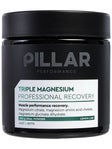
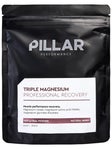
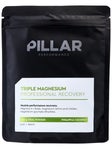
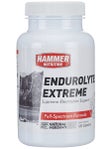
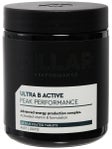
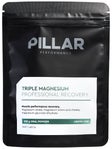
Alongside the right gear, proper nutrition and hydration are essential for performance and recovery. Eating balanced meals with carbohydrates, protein and healthy fats helps maintain energy levels and repair muscle tissue after training. Iron-rich foods are particularly important for runners, as iron supports oxygen transport in the body and helps prevent fatigue. Pairing these foods with sources of vitamin C can improve absorption and support overall energy.
Hydration is equally important, especially in warmer weather. Staying well-hydrated before, during and after your runs helps regulate body temperature, aids recovery and keeps your body performing at its best. Experiment with what works for you during training to ensure race day goes smoothly.


































































































Strengthen Beyond Running
While running itself improves endurance, incorporating strength and mobility training can significantly improve performance and resilience. Core exercises support posture and stability, helping runners maintain form as fatigue sets in. Strengthening the hips and glutes also improves propulsion and reduces strain on the lower legs.
Light plyometric exercises, such as skipping, lunges, or small hops, can help improve running efficiency and coordination when introduced gradually. Cross-training activities like swimming, cycling, or hiking also provide cardiovascular benefits while giving running muscles a break from repetitive impact.
Prioritise Recovery
Recovery is where training adaptations actually occur. Allowing your body time to rest and rebuild helps prevent overuse injuries and keeps training sustainable. Incorporating cooldown routines, stretching and mobility work after runs can help reduce stiffness and improve movement quality.
Active recovery days involving gentle movement can also help increase blood flow to tired muscles while maintaining overall activity levels. Listening to your body and allowing flexibility within your training schedule is essential for long-term progress.

Enjoy the Process
Training for a 5K is about far more than race day. It’s about building confidence, creating healthy habits, and discovering what your body is capable of achieving. Progress may not always be linear, and some training days will feel more challenging than others, but consistency and patience will always pay off.
Running with friends, joining a local running group, or simply exploring new routes can help keep training enjoyable and motivating. Race day itself becomes a celebration of the effort and dedication invested throughout training.
Crossing that finish line represents not just 5 kilometres, but the commitment, growth, and resilience developed along the way. For many runners, it’s only the beginning of an exciting journey within the sport.
_309427.jpg&nw=389)