Ultimate Guide to Running Your First Marathon
RWA | Updated: 5 February 2026
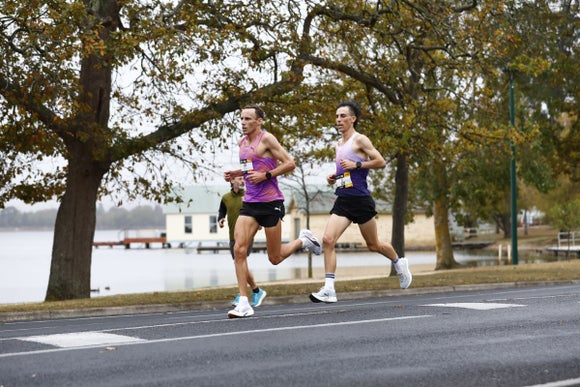
Signing up for your first marathon is a bold and exciting step. Whether you registered with total confidence or a hint of nervous curiosity, committing to run 42.2 km is something worth celebrating. A marathon represents far more than a race distance. It is months of discipline, patience, and gradual progress coming together on one unforgettable day.
For most first-time marathoners, success is not defined by pace or finishing time, but by reaching the finish line feeling strong, capable, and proud of the journey. Unlike many challenges, a marathon cannot be rushed or crammed for. It requires steady preparation that allows your body to adapt safely while building both physical endurance and mental resilience. This guide outlines the tips to help you arrive at the start line confident, prepared, and ready to enjoy the experience.
Tip #1: Find and Follow a Structured Training Plan
Once registered, your first priority should be selecting a training plan suited to your fitness level, running background, and weekly schedule. Marathon training relies on progressive overload, where distance and workload increase gradually to allow safe physiological adaptation.
Most beginner marathon plans run for 16–20 weeks, steadily building mileage while incorporating recovery weeks to reduce injury risk. Long runs form the backbone of marathon preparation, training your body to sustain prolonged effort while improving aerobic endurance and fuelling efficiency. A well-rounded training plan should also include easier runs, moderate workouts, and recovery sessions to balance stress and adaptation.
|
Key training plan considerations:
|
Tip # 2: Choose the Right Training and Race Shoes
Running shoes significantly influence comfort, running efficiency, and injury prevention during marathon preparation. Early in training, decide whether you will use one shoe for all runs or rotate between training and racing shoes.
Performance racing shoes are lighter and designed to improve running economy, making them attractive for runners chasing time goals. However, they often have reduced durability and may not provide sufficient cushioning for daily training. Many runners therefore complete most training kilometres in cushioned, supportive shoes while saving performance models for key sessions and race day.
|
Shoe selection tips:
|
Our Picks
 |
Saucony Endorphin Pro 5 The Endorphin Pro 5 is the classic carbon-plated super shoe in Saucony's lineup, engineered for race-day performance and maximum speed on the road. |
|
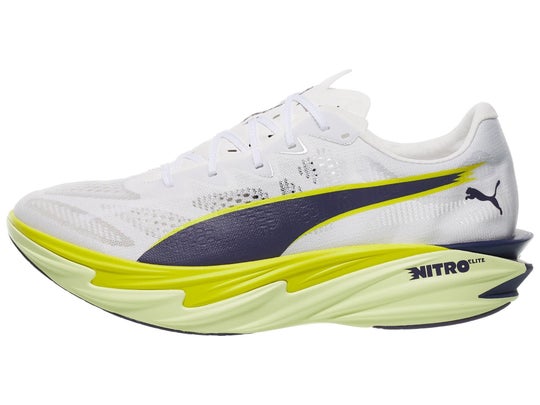 |
Puma Deviate Nitro Elite 4 The PUMA Deviate Nitro Elite 4 is a carbon-plated road-racing shoe that's perfect for chasing down PRs in long-distance races. |
|
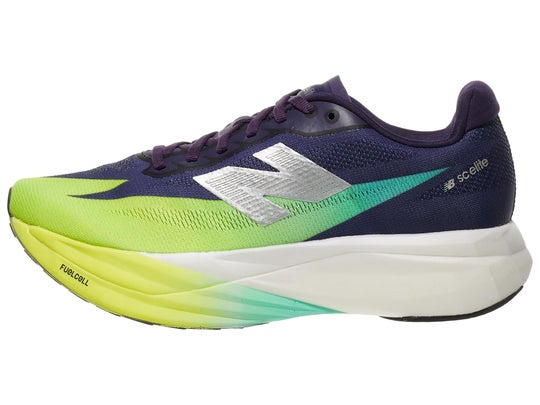 |
New Balance SuperComp v5 Refined from top to bottom, the New Balance FuelCell SuperComp Elite v5 is a road racing super shoe for your fastest times ever. |
Tip #3: Learn the Course
Understanding the marathon course helps you prepare both physically and mentally. Studying the elevation profile allows you to anticipate hills, descents, and flat sections, helping you tailor training accordingly.
Course familiarity also supports pacing strategy and fuelling planning. Knowing where hydration stations are located allows you to time nutrition effectively. Visualising course landmarks and terrain can reduce uncertainty and help maintain confidence during difficult race segments.
|
Course preparation strategies:
|
Tip #4: Organise Travel Early
If travelling for your marathon, planning logistics early reduces stress and conserves energy during race week. Booking accommodation near the race start or finish line can improve convenience and reduce race-morning travel time.
Arriving one to two days before the race allows time to collect your race bib, explore the course area, and adjust to travel fatigue. Organising documentation and race details in advance helps you remain focused on preparation rather than last-minute problem solving.
|
Travel preparation checklist:
|
Tip #5: Practice Fuelling and Hydration
Proper fuelling and hydration are critical for marathon performance. During long-distance running, carbohydrate stores gradually deplete, increasing fatigue risk if energy is not replenished.
Training provides the opportunity to test nutrition strategies and identify products that suit your digestion. Options such as gels, chews, drink mixes, or easily digestible foods may all be effective depending on personal preference. Many runners benefit from consuming carbohydrates every ~30–45 minutes during long runs while maintaining regular fluid intake.
|
Fuelling and hydration guidelines:
|
#6: Prioritise Recovery
Recovery is essential for allowing the body to repair muscle damage, strengthen connective tissue, and adapt to increasing training demands. Without adequate recovery, performance improvements plateau while injury risk increases.
Recovery extends beyond rest days. Easy runs should remain truly easy to promote circulation without adding excessive fatigue. Adequate sleep and nutritional intake supports hormonal regulation and tissue repair, while mobility and strength work help maintain movement efficiency.
|
Effective recovery habits:
|
Tip #7: Pack Strategically
Preparing race gear early reduces stress and helps prevent important items from being forgotten. Creating a checklist ensures that equipment, nutrition, and clothing are organised well before race morning.
Race clothing and footwear should be tested during training to avoid discomfort or chafing. Packing weather-appropriate gear and post-race clothing also improves comfort and recovery immediately after finishing.
|
Race packing essentials:
|
Tip #8: Carb Load Effectively
Carbohydrate loading increases muscle glycogen stores, providing sustained energy during the marathon. Most runners benefit from increasing carbohydrate intake during the final 2–3 days before race day while slightly reducing training intensity.
Focus on familiar, easily digestible carbohydrate sources such as rice, pasta, bread, fruit, and sports drinks. Maintaining hydration and electrolyte balance during this period supports optimal glycogen storage and reduces dehydration risk.
|
Carb loading tips:
|
Tip #9: Prepare the Night Before
The evening before your marathon often brings excitement and nerves. Accepting that sleep may not be perfect helps reduce anxiety and promotes relaxation.
Preparing race equipment and morning logistics ensures a smooth start to race day. Laying out clothing, organising breakfast, and setting alarms reduces decision fatigue and allows you to focus on performance and enjoyment.
|
Night-before preparation checklist:
|
Tip #10: Arrive Early on Race Day
Race environments can be busy and unpredictable. Arriving early allows time for warming up, stretching, bathroom breaks, and final gear adjustments.
Following a familiar pre-race routine helps stabilise nerves and maintain focus. Starting the race feeling calm and organised supports consistent pacing and reduces early mistakes.
|
Race morning strategies:
|
Tip #11: Run Smart and Enjoy the Experience
Adrenaline and crowd energy often cause runners to start too quickly. Maintaining controlled pacing during early kilometres helps preserve energy for the later stages of the marathon, where fatigue becomes more challenging.
Consistent fuelling and hydration support sustained performance, while breaking the race into smaller sections can make the distance feel more manageable. Remember to take in the atmosphere, acknowledge spectators and volunteers, and celebrate your achievement throughout the race.
|
Race execution reminders:
|
Final Thoughts
Training for and completing your first marathon is a powerful journey that extends beyond race day. It represents months of dedication, personal growth, and learning how to balance effort with recovery. Every long run completed, early morning alarm answered, and moment of perseverance contributes to building the resilience required to reach the finish line.
While the marathon distance can seem intimidating, success comes from steady preparation, patience, and listening to your body. With thoughtful training, proper fuelling, consistent recovery, and careful race planning, crossing that finish line becomes not only achievable but deeply rewarding. Your first marathon is not just about completing 42.2 km. It is about discovering what you are capable of achieving through commitment, consistency, and belief in your preparation.