How to Fuel Your Long Run
RWA | Updated: 13 February 2026

Whether you are running a marathon or heading out for a weekly long run, having a well-structured nutrition plan can dramatically influence performance, comfort and recovery. Understanding what to eat before, during and after your run helps ensure your body has the fuel it needs to perform at its best and recover efficiently afterward.
Before diving in, let's quickly define "long run" as it pertains to this article. A long run can vary in distance and time based on experience level, but here it refers to any run lasting longer than one hour. Around this mark, glycogen, the body’s primary fuel source for endurance exercise, begins to deplete significantly. As glycogen stores decline, fatigue increases, pace becomes harder to maintain and overall performance can suffer. Runs shorter than one hour generally do not require the same level of detailed nutritional planning, although daily diet still plays an important role in overall performance.
Runners should focus on three key areas when crafting their nutrition plans: Pre-Run, Mid-Run and Post-Run. Every runner is unique, but following key fuelling principles can help maximise performance, reduce discomfort and support recovery.
Pre-Run Nutrition Plan
Pre-run fuelling sets the foundation for a successful long run. Ideally, runners should consume a balanced meal 2 to 4 hours before running, providing approximately 400 to 700 calories depending on body size, training intensity and personal tolerance.
Carbohydrates should make up the majority of this meal, as they serve as the body’s primary energy source during endurance exercise. Complex carbohydrates such as whole grains, fruit, and oatmeal are particularly beneficial for long runs because they provide a steady, sustained release of energy rather than causing rapid spikes and crashes in blood sugar levels. Meals should also be relatively low in fibre and fat, as these nutrients slow digestion and can increase the risk of gastrointestinal discomfort during exercise.
When running, blood flow is redirected toward working muscles to support performance. Eating beforehand stimulates blood flow to the gastrointestinal tract, which can help reduce digestive sensitivity, but overly fibrous or fatty foods may still cause bloating, cramping, or discomfort.
Hydration is equally critical before a long run. Consuming approximately 500 to 600 millilitres of water with a pinch of salt or an electrolyte drink alongside your pre-run meal helps replace fluid and sodium lost overnight and prepares the body for sweat losses during exercise. Hydration mixes such as Skratch Labs products can provide electrolytes and carbohydrates to support hydration and energy availability.
Pre-run fuelling strategies may also vary depending on the time of day, as morning runners often rely more on quick and easily digestible carbohydrate sources compared to afternoon or evening runners who may have consumed multiple meals earlier in the day. For runners who are short on time, easily digestible options such as gels, chews, or bars can serve as effective alternatives to full meals. Caffeine can also be used as a performance enhancer for some runners. Supplements such as coffee, caffeinated gels, or tablets may improve alertness and perceived effort. However, caffeine intake should ideally be limited to morning or early-day training sessions to avoid disrupting sleep, which is one of the most important components of recovery and adaptation.
Proper pre-run nutrition helps prevent early fatigue, muscle cramping, gastrointestinal distress, and insufficient energy availability, all of which can negatively impact performance.
Mid-Run Nutrition Plan
Mid-run fuelling becomes increasingly important once exercise duration exceeds 60 to 90 minutes. For shorter training runs or races under one hour, most runners have sufficient glycogen stores to complete the session without additional fuelling. However, as duration and intensity increase, carbohydrate intake during exercise helps maintain energy levels and delay fatigue.
The primary goal of mid-run nutrition is to provide easily digestible carbohydrates and replace lost electrolytes without causing gastrointestinal distress. Many runners achieve this by consuming gels, chews, sports drinks, or even simple carbohydrate sources such as lollies. These options provide quick energy and are designed to be gentle on the stomach during exercise.
Carbohydrate intake recommendations vary depending on run duration. For runs lasting 1 to 2 hours, runners should aim for approximately 30 to 60 grams of carbohydrates per hour. For runs extending beyond 2 hours, carbohydrate intake can increase to 60 to 90 grams per hour. These guidelines are flexible, and runners may prefer consuming smaller amounts more frequently rather than strict timed intervals.
Fuelling before fatigue sets in is generally more effective than trying to recover energy levels after performance begins to decline. Runners new to mid-run fuelling should start with smaller amounts and gradually increase intake as tolerance improves. Individual experimentation is essential, as nutritional needs and gastrointestinal tolerance vary widely between runners.
Hydration remains critical during long runs. Sweat results in the loss of water and essential electrolytes, particularly sodium. Most runners should aim to consume approximately 500 millilitres to 1 litre of fluid per hour, depending on environmental conditions, sweat rate, and individual hydration needs. Many modern gels and hydration products contain added sodium to help replace electrolyte losses, reduce the risk of cramping, and support sustained performance.
Ultimately, mid-run fuelling helps prevent hitting the “wall,” supports muscle function, and maintains both physical and mental performance throughout longer efforts.
Post-Run Recovery Nutrition
Post-run nutrition is crucial for promoting recovery, repairing muscle tissue and replenishing depleted energy stores. Without adequate recovery nutrition, runners may experience prolonged fatigue, slower muscle repair and reduced performance in subsequent training sessions.
Runners should aim to consume recovery nutrition within 30 to 60 minutes after completing a long run, when the body is most receptive to nutrient uptake. Carbohydrates and protein are both essential during this window, with an ideal carbohydrate-to-protein ratio of approximately 3:1 to support glycogen restoration and muscle repair.
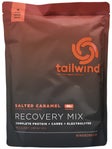
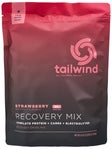
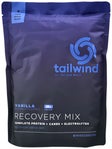
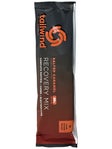
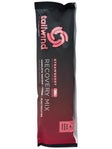
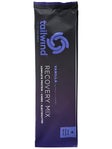
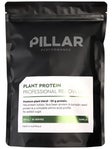
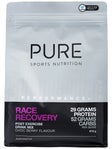
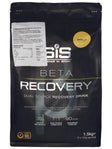
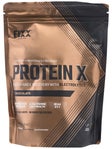
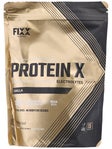
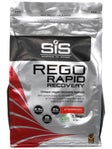
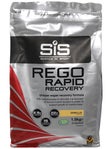
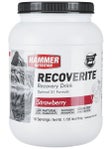
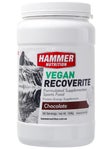
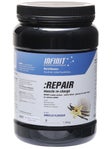
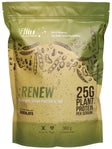
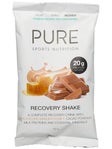
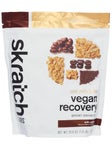
Recovery drinks and chocolate milk are popular options because they provide convenient and balanced nutrient combinations. Whole food meal options such as smoothies, lean meats with vegetables, or balanced grain-based meals are also excellent choices. If using a recovery drink immediately after a run, runners should aim to follow it with a full meal within 90 to 120 minutes to further support recovery.
Rehydration is another key priority after long runs. Replacing lost fluids, electrolytes, and minerals through water and hydration supplements helps restore fluid balance and supports overall recovery. Choosing high-quality recovery products or whole food options ensures the body receives the nutrients required for optimal muscle repair and energy restoration.
Shop Recovery Nutrition






Final Food for Thought
While pre-run, mid-run and post-run fuelling strategies are essential components of long-distance training, they cannot replace the importance of consistent daily nutrition. A well-balanced diet rich in carbohydrates, healthy fats, protein, vitamins and minerals supports overall health, immune function and training adaptation.
Runners should also test supplements, gels, hydration products and recovery drinks during training rather than introducing them on race day. Practicing with nutrition strategies allows runners to identify what works best for their bodies and reduces the risk of unwanted gastrointestinal discomfort during important training sessions or competitions.
Combining smart daily nutrition with targeted fuelling strategies helps runners maximise performance, enhance recovery and maintain long-term training consistency.