Tips for Your First Half Marathon
RWA | Updated: 12 February 2026
_310739.jpg&nw=580)
Regardless of whether you are a new runner or someone who has been running most of your life, your first half marathon can seem like a daunting task. For most first-time half marathon runners, success is not measured by finishing time but by reaching the finish line feeling strong, prepared and proud of the effort invested. Unlike shorter races, the half marathon requires deliberate preparation that allows the body to safely adapt to increased running volume while building endurance, pacing awareness and fuelling strategies.
The following tips are designed to help you arrive at the start line confident, prepared and ready to enjoy the experience.
Tip #1: Follow a Structured Training Plan
Once registered, selecting an appropriate training plan should be your first priority. Structured training plans use progressive overload, gradually increasing running distance and intensity to stimulate physiological adaptations such as improved aerobic capacity, muscular endurance and running economy.
Most beginner half marathon programs range between 10 and 14 weeks and typically include long runs, easy recovery runs and moderate intensity workouts. Long runs are particularly important, as they train the body to sustain prolonged effort while improving fuel utilisation and fatigue resistance.
Key training considerations:
|
Tip #2: Choose Appropriate Running Shoes
Footwear plays a major role in comfort, injury prevention and running efficiency. Shoes should fit properly, provide sufficient cushioning and match individual biomechanics and training demands.
Running in worn-out shoes may increase injury risk due to reduced shock absorption, while racing in completely new footwear can cause discomfort or blistering. Ideally, runners should complete at least one long run in their chosen race-day shoes to ensure comfort and familiarity.
Shoe selection tips:
|
Tip #3: Use Running-Specific Gear
Although running requires minimal equipment, technical apparel can significantly improve comfort during longer distances. Moisture-wicking fabrics help regulate temperature, reduce friction and minimise chafing.
Running-specific socks can reduce blister formation, while lightweight and breathable clothing supports thermoregulation. Accessories such as running belts or handheld bottles may assist with carrying nutrition, hydration and personal items without interrupting running rhythm.
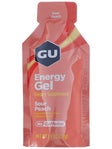
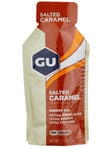
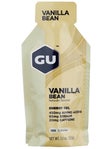
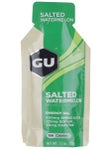
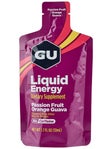
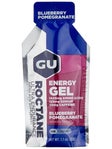
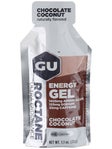
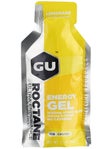
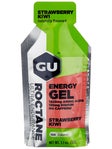
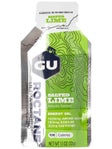
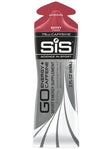
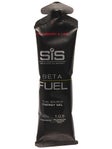
Tip #4: Develop a Fuelling Strategy
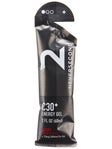
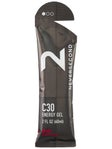
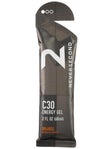
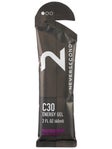
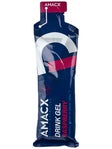
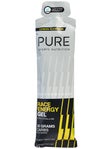
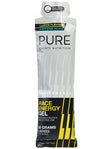
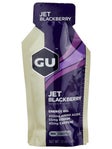
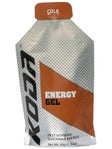
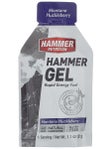
Carbohydrates serve as the primary fuel source during endurance running. Consuming carbohydrates before and during the race helps maintain blood glucose levels and delay fatigue.
Runners should determine which nutrition products are available on course and test them during training. If provided options are unsuitable, carrying familiar and well-tolerated fuel sources helps ensure consistent energy availability.
Fuelling recommendations:
|





























































































































Tip #5: Learn Your Race Course
Understanding your race course allows you to prepare both physically and mentally. Reviewing course maps, elevation profiles and terrain descriptions helps runners anticipate challenging sections such as hills, technical surfaces or exposed segments.
Familiarity with the course also improves pacing and fuelling strategies. Knowing where hydration stations and bathrooms are located allows runners to plan intake timing and avoid unnecessary stress during the race. Preparing for potential environmental factors such as weather and terrain variation can further improve confidence and race execution.
Course preparation strategies:
|
Tip #6: Prepare and Practise Your Race-Day Setup
Race mornings are often busy and emotionally charged, making preparation the night before an important step in reducing stress and preventing forgotten items. Laying out your clothing, footwear, race bib, nutrition and hydration helps create a calm and efficient morning routine. For runners travelling to events, keeping all equipment organised in one place can further simplify race-day preparation.
Equally important is ensuring that everything you plan to use has already been tested during training. Race day should never be the first time you wear new shoes, clothing or try unfamiliar nutrition products. Long training runs provide valuable opportunities to refine pre-run meals, fuelling strategies, hydration habits and gear choices. Establishing these familiar routines helps minimise the risk of gastrointestinal discomfort, chafing or footwear-related issues that could negatively impact performance.
Tip #7: Plan Bathroom Timing
Gastrointestinal comfort can significantly influence race performance. Consuming pre-race meals early enough to allow digestion and bathroom use before the start can help prevent interruptions during the race.
Maintaining a consistent pre-race nutrition routine often improves predictability and comfort.
_309624.jpg&nw=580)
Tip #8: Start Conservatively and Pace Strategically
Starting too quickly is one of the most common mistakes in first-time half marathon runners. Race-day excitement and surrounding competitors can lead runners to exceed their planned pace early, increasing fatigue risk later in the race.
Maintaining a controlled and conservative pace during the first half of the race allows energy conservation and promotes a stronger finish. Many runners benefit from gradually increasing effort in the later stages if they feel capable.
Tip #9: Maintain Effective Hydration
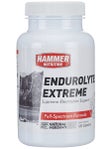
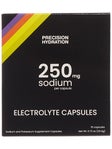
Fluid losses through sweating can reduce plasma volume and negatively impact performance if not replaced. However, excessive fluid consumption can also lead to electrolyte imbalances.
Hydration strategies should be guided by thirst, environmental conditions and individual sweat rates. Electrolyte-containing fluids may be beneficial in warmer environments or during prolonged efforts.
Hydration reminders:
|





































































































Tip #10: Use Mental Strategies to Manage Fatigue
Running alongside training partners or engaging with fellow participants during a race can improve motivation and pacing consistency. Social interaction during endurance events has been shown to strengthen psychological resilience and reduce perceived effort, particularly during more demanding stages of a race.
As fatigue builds, especially in the later kilometres of a half marathon, having mental strategies prepared can help maintain focus and composure. Breaking the race into smaller, manageable segments can make the distance feel less overwhelming. Repeating simple motivational cues, listening to music or podcasts or using cognitive distractions such as counting steps or focusing on breathing rhythm can help shift attention away from physical discomfort.
It is important to recognise that fluctuations in comfort, pacing and motivation are a normal part of endurance racing. Challenging periods are often temporary, and maintaining perspective can help runners stay composed. If fatigue becomes overwhelming, briefly reducing pace or incorporating short walking breaks is a practical and effective strategy, provided forward progress continues toward the finish line.
Tip #11: Enjoy the Experience
Training for and completing your first half marathon is a journey that extends well beyond race day. It represents weeks of commitment, gradual physical adaptation and learning how to balance training stress with recovery. Every completed run contributes to building the endurance and confidence required to succeed. Regardless of finishing time, reaching the starting line reflects dedication, consistency and resilience. Embrace the race atmosphere, community support and sense of accomplishment.
_309047.jpg&nw=580)
.jpg&nw=580&nw=389)